1. Search Result
Search Result
Pathways Recommended: MAPK/ERK Pathway
Results for "

Mitogen-activated protein kinase (MAPK)

" in MedChemExpress (MCE) Product Catalog:

30

Inhibitors & Agonists

3

Peptides

4

Natural
Products

40

Recombinant Proteins

1

Isotope-Labeled Compounds

77

Antibodies

1

Oligonucleotides

Cat. No. Product Name Target Research Areas Chemical Structure
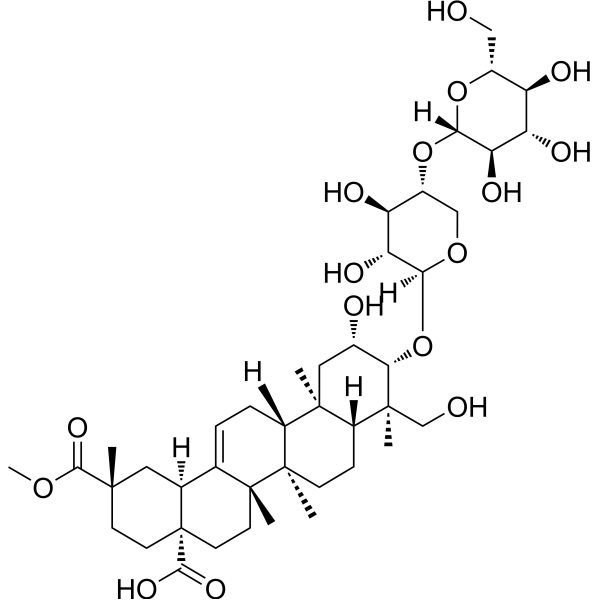
  • HY-N0632
    Esculentoside A
    2 Publications Verification

    COX NF-κB Inflammation/Immunology
    Esculentoside A (EsA), a kind of triterpene saponin isolated from roots of Phytolacca esculenta . Esculentoside A (EsA) possesses anti-inflammatory activity in acute and chronic experimental models , has selective inhibitory activity towards cyclooxygenase-2 (COX-2) . Esculentoside A (EsA) suppresses inflammatory responses in LPS-induced acute lung injury (ALI) through inhibition of the nuclear factor kappa B (NF-ΚB) and mitogen activated protein kinase (MAPK) signaling pathways .
    Esculentoside A
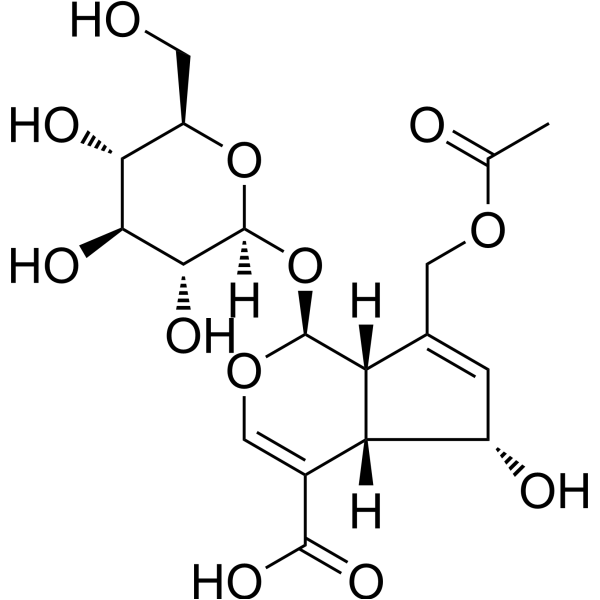
  • HY-N6246

    NF-κB ERK Inflammation/Immunology Cancer
    Asperulosidic Acid (ASPA), a bioactive iridoid glycoside, is extracted from the herbs of Hedyotis diffusa Willd. Asperulosidic Acid (ASPA) has anti-tumor, anti-oxidant, and anti-inflammatory activities . ASPA is related to the inhibition of inflammatory cytokines (TNF-α, IL-6) and mediators via suppression of the NF-κB and mitogen-activated protein kinase (MAPK) signaling pathways .
    Asperulosidic Acid
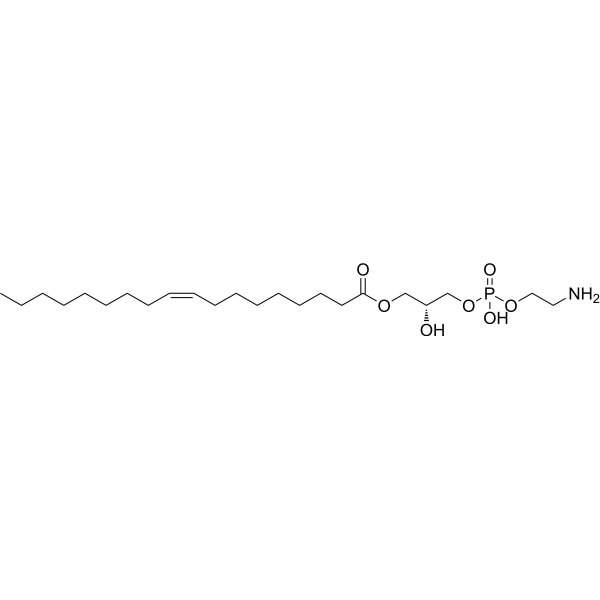
  • HY-W355700

    Drug Metabolite Infection
    1-oleoyl-sn-glycero-3-phosphoethanolamine (LysoPE 18:1) is a lysophosphatidylethanolamine molecule involved in phospholipid metabolism, targeting cell membrane receptors (such as G protein-coupled receptors) to regulate cell signaling pathways. 1-oleoyl-sn-glycero-3-phosphoethanolamine may activate mitogen-activated protein kinase (MAPK) signaling, promote cell migration, regulate inflammatory responses and lipid metabolism, and has both pro-inflammatory and anti-inflammatory activities. 1-oleoyl-sn-glycero-3-phosphoethanolamine is mainly used in the screening of biomarkers for metabolic diseases (such as non-alcoholic fatty liver disease and obesity), as well as the study of the mechanism of lysophospholipids in cell membrane homeostasis and signal transduction .
    1-Oleoyl-2-hydroxy-sn-glycero-3-phosphoethanolamine
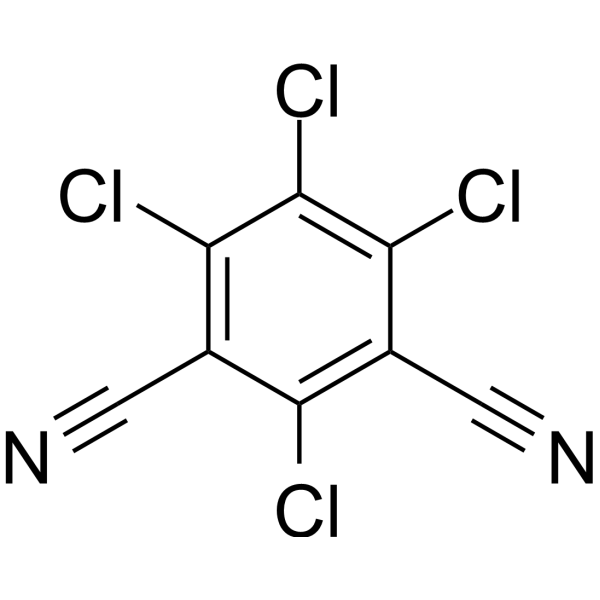
  • HY-N6625
    Chlorothalonil
    1 Publications Verification

    Environmental Pollutants Estrogen Receptor/ERR Fungal Infection
    Chlorothalonil is a broad-spectrum foliar fungicide with oral activity. Chlorothalonil can be used to combat fungal diseases in vegetable and crop leaves. Chlorothalonil can alter the microbial community in the soil. Chlorothalonil inhibits spermatogenesis. Chlorothalonil can cause intestinal epithelial barrier dysfunction and fetal toxicity .
    Chlorothalonil
  • HY-P10954

    p38 MAPK Others
    Link N peptide is a proteoglycan aggregates activator in the extracellular matrix. Link N peptide can selectively activate the p38 mitogen-activated protein kinase (MAPK) pathway to promote the expression of type I and II collagens in human intervertebral disc cells. Link N peptide is promising for research of intervertebral disc degeneration-related diseases .
    Link N peptide
  • HY-160469

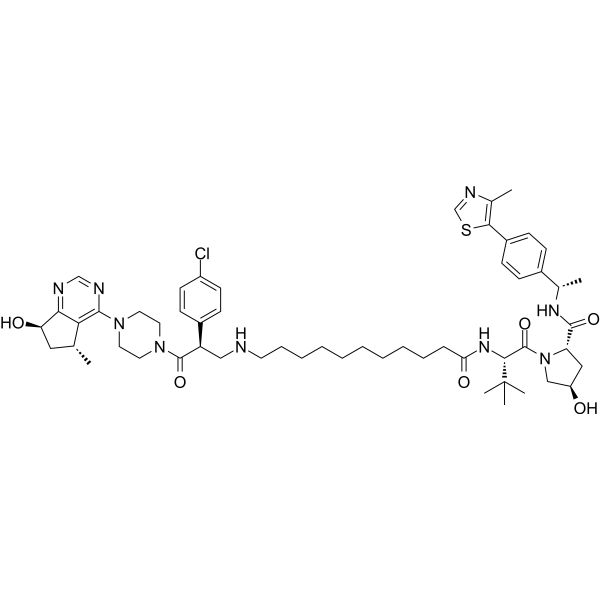
    Akt PROTACs Cancer
    INY-05-040 is an AKT degrader that can selectively and quickly degrade all three AKT isoforms. INY-05-040 exhibits anti-cancer activity. INY-05-040 can inhibit downstream signaling and cell proliferation in 288 cancer cell lines. INY-05-040 can suppress AKT signaling and induces the stress mitogen-activated protein kinase (MAPK) c-Jun N-terminal kinase (JNK). INY-05-040 is effective for breast cancer lines with a low-baseline activation of stress MAPK pathway. INY-05-040 can be studied for anti-cancer research .
    INY-05-040
  • HY-119715

    CDK Apoptosis Inflammation/Immunology Cancer
    AG-012986 is a pan-CDK inhibitor with Ki values of 44 nM (CDK1), 9.2 nM (CDK4), 94 nM (CDK2), and IC50 values of 22 nM (CDK5), 4 nM (CDK9). AG-012986 causes apoptosis of T-cells by targeting upstream kinases in the p38 Mitogen-activated protein kinase (MAPK) pathway and impairing cellular survival. AG-012986 induces cell cycle arrest, retinoblastoma protein hypophosphorylation, and reduces Ki-67 expression. AG-012986 exerts antiproliferative activity in tumor cells, demonstrates antitumor efficacy in human xenograft models, and causes retinal and peripheral neurotoxicity, plus immune cell toxicity. AG-012986 can be used for the research of colon carcinoma, non-small cell lung carcinoma, lung carcinoma, breast carcinoma, ovarian tumor, pancreatic carcinoma, osteosarcoma, lymphoma, leukemia, retinotoxicity .
    AG-012986
  • HY-Z3832

    Apoptosis p38 MAPK Autophagy Cancer
    N-Methylparoxetine is a derivative of Paroxetine that induces Apoptosis NSCLC cells by activating mitogen-activated protein kinase ( MAPK). N-Methylparoxetine has antitumor activity .
    N-Methylparoxetine
  • HY-P10414A

    KP1 (human) hydrochloride

    TGF-beta/Smad p38 MAPK Inflammation/Immunology
    Klotho-derived peptide 1 (KP1 human) hydrochloride blocks TGF-β/TGF-β receptor 2 interaction, inhibits TGF-β-induced activation of Smad2/3 and mitogen-activated protein kinase (MAPK), and exhibits anti-fibrotic and kidney protective effects in mouse model .
    Klotho-derived peptide 1 hydrochloride
  • HY-P10414

    KP1 (human)

    TGF-beta/Smad p38 MAPK Inflammation/Immunology
    Klotho-derived peptide 1 (KP1 human) blocks TGF-β/TGF-β receptor 2 interaction, inhibits TGF-β-induced activation of Smad2/3 and mitogen-activated protein kinase (MAPK), and exhibits anti-fibrotic and kidney protective effects in mouse model .
    Klotho-derived peptide 1
  • HY-145025

    ERK Inflammation/Immunology Cancer
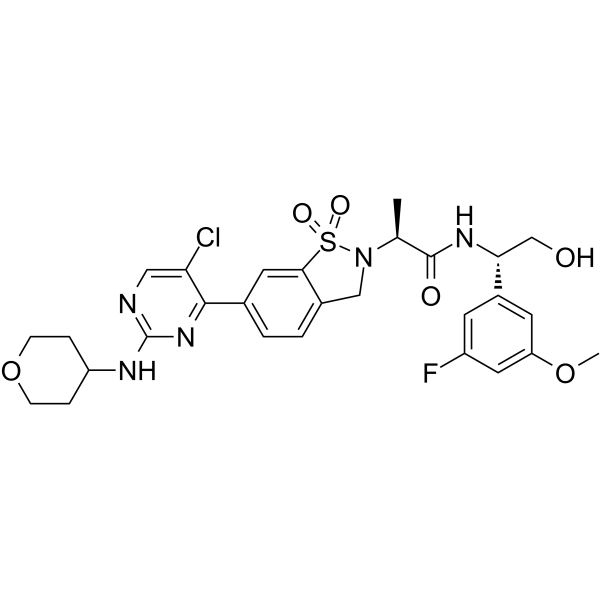
    ERK1/2 inhibitor 3 is a potent inhibitor of ERK1/2. Mitogen-activated protein kinase (MAPK) plays an extremely important role in the signal transduction pathway, and extracellular signal regulated kinase (ERK) is a member of the MAPK family. ERK1/2 inhibitor 3 has the potential for the research or prevention of cancer, inflammation or other proliferative diseases (extracted from patent WO2021218912A1, compound 1) .
    ERK1/2 inhibitor 3
  • HY-120505

    ERK p38 MAPK Inflammation/Immunology
    ITZ-1 is an orally active and selective extracellular signal-regulated kinase (ERK)-mitogen-activated protein kinase (MAPK) pathway inhibitor with an IC50 of 0.51 μM for inhibiting interleukin-1β (IL-1β)-induced matrix metalloproteinase-13 (MMP-13) production. ITZ-1 reduces MMP-13 expression and suppresses nitric oxide (NO)-induced chondrocyte apoptosi. ITZ-1 is promising for research of osteoarticular diseases .
    ITZ-1
  • HY-145026

    ERK Inflammation/Immunology Cancer
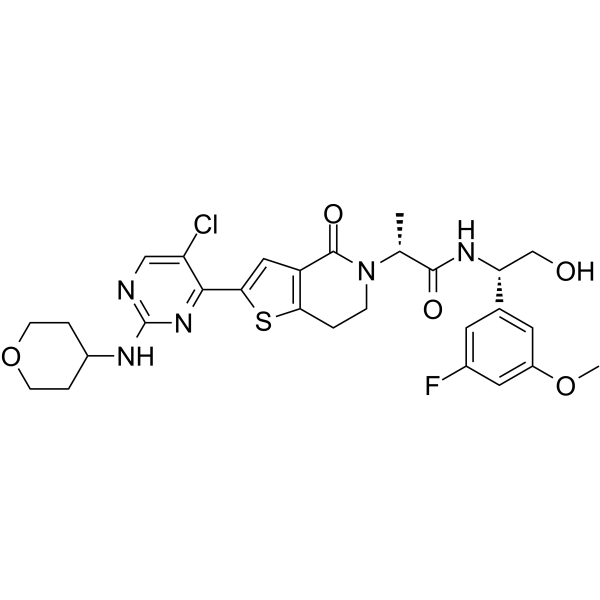
    ERK1/2 inhibitor 5 is a potent inhibitor of ERK1/2. Mitogen-activated protein kinase (MAPK) plays an extremely important role in the signal transduction pathway, and extracellular signal regulated kinase (ERK) is a member of the MAPK family. ERK1/2 inhibitor 5 has the potential for the research or prevention of cancer, inflammation or other proliferative diseases (extracted from patent WO2020238776A1) .
    ERK1/2 inhibitor 4
  • HY-145027

    ERK Cancer
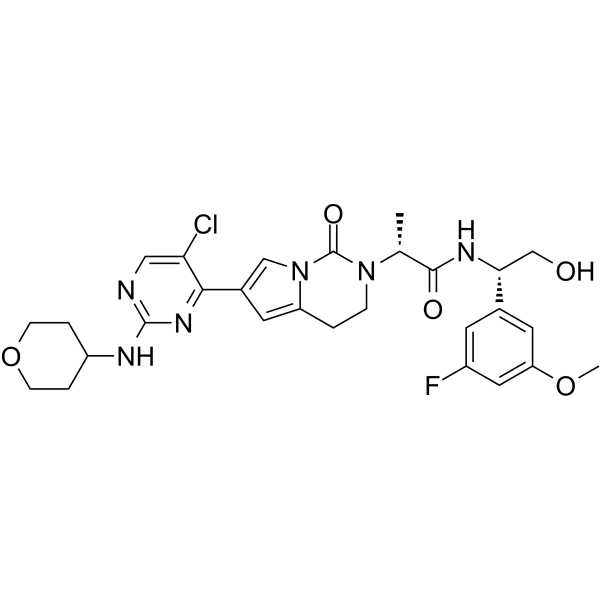
    ERK1/2 inhibitor 5 is a potent inhibitor of ERK1/2. Mitogen-activated protein kinase (MAPK) plays an extremely important role in the signal transduction pathway, and extracellular signal regulated kinase (ERK) is a member of the MAPK family. ERK1/2 inhibitor 5 has the potential for the research or prevention of cancer, inflammation or other proliferative diseases (extracted from patent WO2020238776A1) .
    ERK1/2 inhibitor 5
  • HY-N0632R

    Reference Standards COX NF-κB Inflammation/Immunology
    Esculentoside A (Standard) is the analytical standard of Esculentoside A. This product is intended for research and analytical applications. Esculentoside A (EsA), a kind of triterpene saponin isolated from roots of Phytolacca esculenta . Esculentoside A (EsA) possesses anti-inflammatory activity in acute and chronic experimental models , has selective inhibitory activity towards cyclooxygenase-2 (COX-2) . Esculentoside A (EsA) suppresses inflammatory responses in LPS-induced acute lung injury (ALI) through inhibition of the nuclear factor kappa B (NF-ΚB) and mitogen activated protein kinase (MAPK) signaling pathways .
    Esculentoside A (Standard)
  • HY-161293

    p38 MAPK Cancer
    p38-α MAPK-IN-6 (compound 3a) is a p38α mitogen-activated protein kinase inhibitor .
    p38-α MAPK-IN-6
  • HY-175431

    p38 MAPK Inflammation/Immunology Cancer
    p38 MAPK-IN-8 (Compound 8) is an orally active, potent and selective p38 mitogen-activated protein kinase (p38 MAPK) inhibitor. p38 MAPK-IN-8 is promising for research of inflammatory responses, autoimmune diseases, and cancer .
    p38 MAPK-IN-8
  • HY-100278

    p38 MAPK Inflammation/Immunology
    AKP-001 is an inhibitor of p38 mitogen-activated protein kinase (p38 MAPK). AKP-001 can inhibit the production of inflammatory cytokines and can be used for research in rheumatoid arthritis and inflammatory bowel disease .
    AKP-001
  • HY-E70843

    MEK Cancer
    MAP2K1 encodes mitogen-activated protein kinase 1 (MEK1), which is a key component in the RAS-mitogen-activated protein kinase kinase (RAS/MAPK) signal transduction pathway. MAP2K1 P124L mutation is a mild mutation. MAP2K1 P124L Recombinant Human Active Protein Kinase is a recombinant MAP2K1 P124L protein that can be used to study MAP2K1 P124L-related functions .
    MAP2K1 P124L Recombinant Human Active Protein Kinase
  • HY-175432

    p38 MAPK Inflammation/Immunology
    p38 MAPK-IN-9 (Compound 15) is an orally active and highly selective p38α mitogen-activated protein kinase (p38 MAPK) inhibitor with an IC50 value of 9.6 nM. p38 MAPK-IN-9 is promising for research of inflammatory diseases such as rheumatoid arthritis, septic shock, and chronic obstructive pulmonary disease (COPD) .
    p38 MAPK-IN-9
  • HY-E70759

    p38 MAPK Cancer
    The mitogen-activated protein kinase kinase 6 (MKK6) is one of the upstream activators of p38 MAPK. MKK6 activates myocardial cell NF-κB and inhibits apoptosis in a p38 MAPK-dependent manner. MKK6 SDTD is a mutant of MKK6. MKK6 SDTD Recombinant Human Active Protein Kinase is a recombinant MKK6 SDTD protein that can be used to study MKK6 SDTD-related functions .
    MKK6 SDTD Recombinant Human Active Protein Kinase
  • HY-120485

    IRFI-016

    p38 MAPK ERK PKC Cardiovascular Disease
    Raxofelast (IRFI-016) is an antioxidant agent in various models of ischemia-reperfusion injury. Raxofelast has antiproliferative activity in H2O2-stimulated rat aortic smooth muscle cells. Raxofelast attenuates the activation of mitogen-activating protein kinase (MAPK), ERK kinase 1, 2 (MEK1,2) and protein kinase C (PKC) without affecting Ras expression .
    Raxofelast
  • HY-145028

    ERK Inflammation/Immunology Cancer
    ERK1/2 inhibitor 6 is a potent inhibitor of ERK1/2. Mitogen-activated protein kinase (MAPK) plays an extremely important role in the signal transduction pathway, and extracellular signal regulated kinase (ERK) is a member of the MAPK family. ERK1/2 inhibitor 6 has the potential for the research or prevention of cancer, inflammation or other proliferative diseases (extracted from patent WO2021063335A1, compound 1) .
    ERK1/2 inhibitor 6
  • HY-N6246R

    Reference Standards NF-κB ERK Inflammation/Immunology Cancer
    Asperulosidic Acid (Standard) is the analytical standard of Asperulosidic Acid. This product is intended for research and analytical applications. Asperulosidic Acid (ASPA), a bioactive iridoid glycoside, is extracted from the herbs of Hedyotis diffusa Willd. Asperulosidic Acid (ASPA) has anti-tumor, anti-oxidant, and anti-inflammatory activities . ASPA is related to the inhibition of inflammatory cytokines (TNF-α, IL-6) and mediators via suppression of the NF-κB and mitogen-activated protein kinase (MAPK) signaling pathways .
    Asperulosidic Acid (Standard)
  • HY-148552
    Anti-inflammatory agent 35
    1 Publications Verification

    p38 MAPK ERK NF-κB Interleukin Related TNF Receptor Inflammation/Immunology
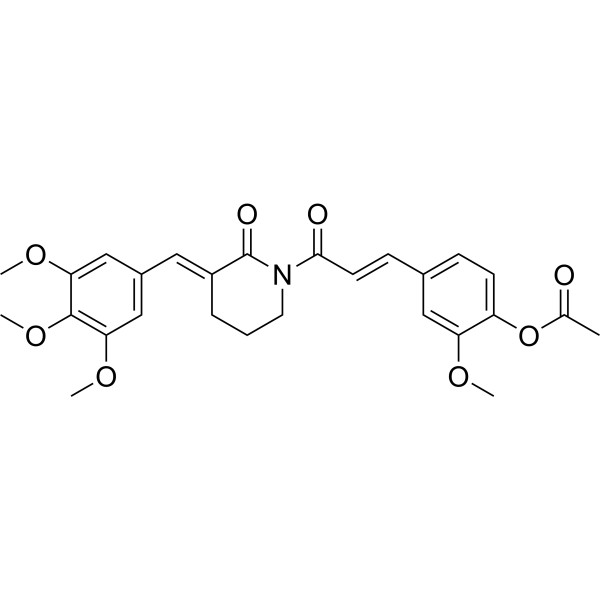
    Anti-inflammatory agent 35 (compound 5a27) is an orally active curcumin analogue with anti-inflammatory activity. Anti-inflammatory agent 35 blocks mitogen-activated protein kinase (MAPK) signaling and p65 nuclear translocation of NF-kB. Anti-inflammatory agent 35 also inhibits yellow neutrophil infiltration and pro-inflammatory cytokine production. Anti-inflammatory agent 35 significantly attenuates lipopolysaccharide (LPS)-induced acute lung injury (ALI) in vivo .
    Anti-inflammatory agent 35
  • HY-168090

    p38 MAPK NF-κB RANKL/RANK Endocrinology
    Anti-osteoporosis agent-11 (compound 3k) is an anti-osteoporosis compound targeting osteoclasts. Anti-osteoporosis agent-11 has the most significant inhibitory effect on osteoclast differentiation, with an IC50 value of 0.36 μM. In addition, Anti-osteoporosis agent-11 inhibits osteoclast formation, bone resorption, and the expression of osteoclast-specific genes by blocking rankl-induced mitogen-activated protein kinase (MAPK) and NF-κB signaling pathways .
    Anti-osteoporosis agent-11
  • HY-167679

    Endogenous Metabolite Inflammation/Immunology
    Scio-323 is an orally available p38 mitogen-activated protein kinase (MAPK) inhibitor with the potential to inhibit chronic inflammatory responses associated with polyethylene particles. Scio-323's oral inhibition pattern had a minimal effect on bone formation. Scio-323 administration inhibited net bone formation after the establishment of a chronic inflammatory response to polyethylene particles. Osteoblast-like activity remained low in all cases of Scio-323 inhibition. Scio-323 failed to improve bone growth in the presence of polyethylene particles .
    Scio-323
  • HY-176019

    p38 MAPK c-Myc Cardiovascular Disease Cancer
    Methylcarbamyl PAF C-8 is resistant to the degradation function of platelet-activating factor acetylhydrolase (PAF-AH). It has a half-life of more than 100 minutes in platelet-poor plasma and possesses the activity of inducing platelet aggregation. In NRK-49 cells overexpressing the PAF receptor, Methylcarbamyl PAF C-8 can induce the expression of c-myc and c-fos, and activate mitogen-activated protein kinase (MAPK). Additionally, Methylcarbamyl PAF C-8 can induce cell cycle arrest in the G1 phase. Methylcarbamyl PAF C-8 holds promise for research in the fields of cardiovascular diseases and anti-cancer therapy .
    Methylcarbamyl PAF C-8
  • HY-182470

    CDK
    AG-012986 (dihydrochloride) is a pan-CDK inhibitor with Ki values of 44 nM (CDK1), 9.2 nM (CDK4), 94 nM (CDK2), and IC50 values of 22 nM (CDK5), 4 nM (CDK9). AG-012986 (dihydrochloride) causes apoptosis of T-cells by targeting upstream kinases in the p38 Mitogen-activated protein kinase (MAPK) pathway and impairing cellular survival. AG-012986 (dihydrochloride) induces cell cycle arrest, retinoblastoma protein hypophosphorylation, and reduces Ki-67 expression. AG-012986 (dihydrochloride) exerts antiproliferative activity in tumor cells, demonstrates antitumor efficacy in human xenograft models, and causes retinal and peripheral neurotoxicity, plus immune cell toxicity. AG-012986 (dihydrochloride) can be used for the research of colon carcinoma, non-small cell lung carcinoma, lung carcinoma, breast carcinoma, ovarian tumor, pancreatic carcinoma, osteosarcoma, lymphoma, leukemia, retinotoxicity .
    AG-012986 dihydrochloride
  • HY-W355700S

    Isotope-Labeled Compounds Infection
    1-Oleoyl-2-hydroxy-sn-glycero-3-phosphoethanolamine-d31 is the deuterium labeled 1-Oleoyl-2-hydroxy-sn-glycero-3-phosphoethanolamine (HY-W355700). 1-oleoyl-sn-glycero-3-phosphoethanolamine (LysoPE 18:1) is a lysophosphatidylethanolamine molecule involved in phospholipid metabolism, targeting cell membrane receptors (such as G protein-coupled receptors) to regulate cell signaling pathways. 1-oleoyl-sn-glycero-3-phosphoethanolamine may activate mitogen-activated protein kinase (MAPK) signaling, promote cell migration, regulate inflammatory responses and lipid metabolism, and has both pro-inflammatory and anti-inflammatory activities. 1-oleoyl-sn-glycero-3-phosphoethanolamine is mainly used in the screening of biomarkers for metabolic diseases (such as non-alcoholic fatty liver disease and obesity), as well as the study of the mechanism of lysophospholipids in cell membrane homeostasis and signal transduction .
    1-Oleoyl-2-hydroxy-sn-glycero-3-phosphoethanolamine-d31

Inquiry Online

Your information is safe with us. * Required Fields.

Salutation


Country or Region *

Applicant Name *


Organization Name *

Department *


Email Address *


Product Name *

Cat. No.


Requested quantity *

Phone Number *


Remarks

Inquiry Online

Inquiry Information

Product Name:
Cat. No.:
Quantity:
MCE Japan Authorized Agent: